These stories travel with the land
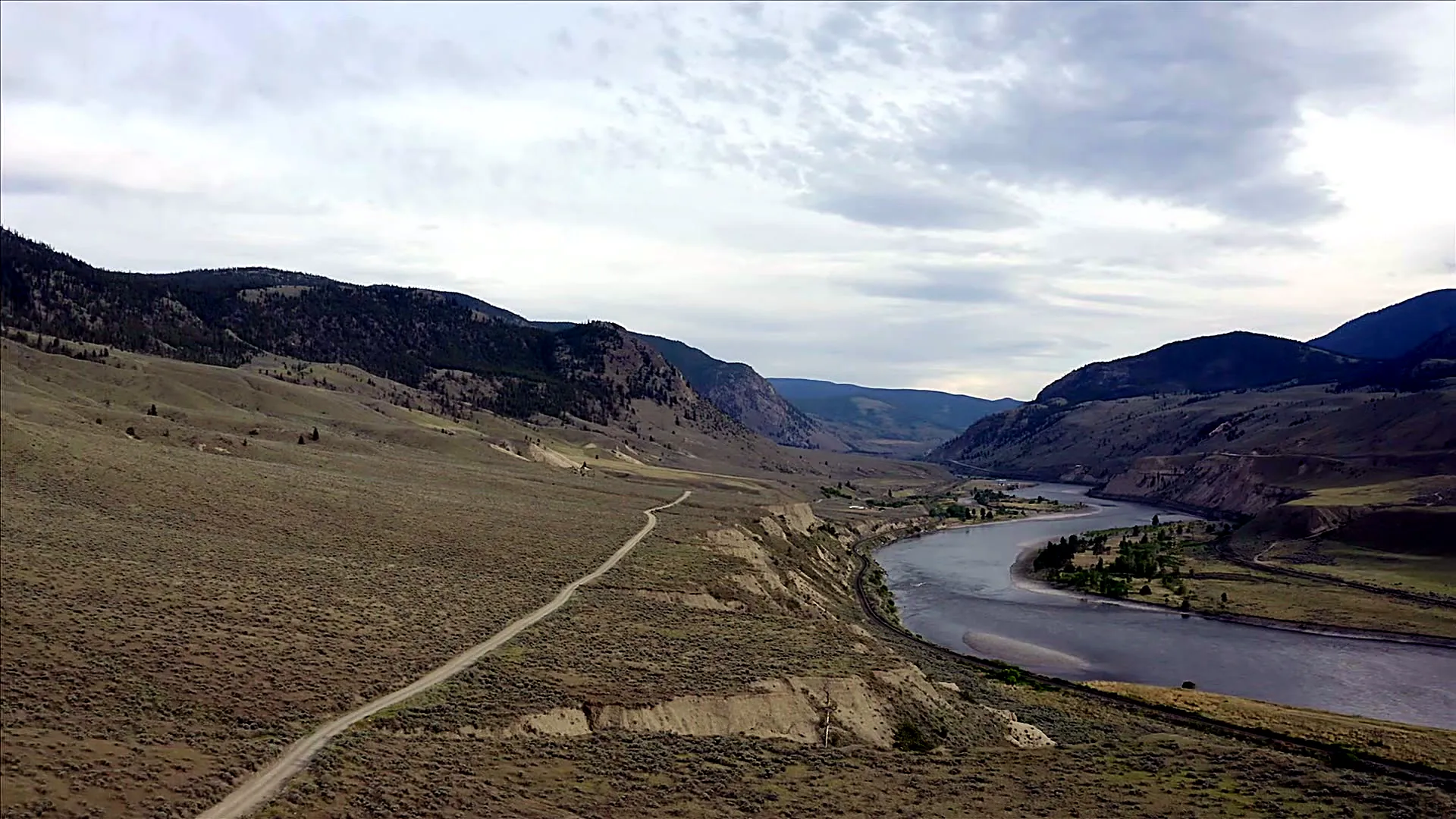
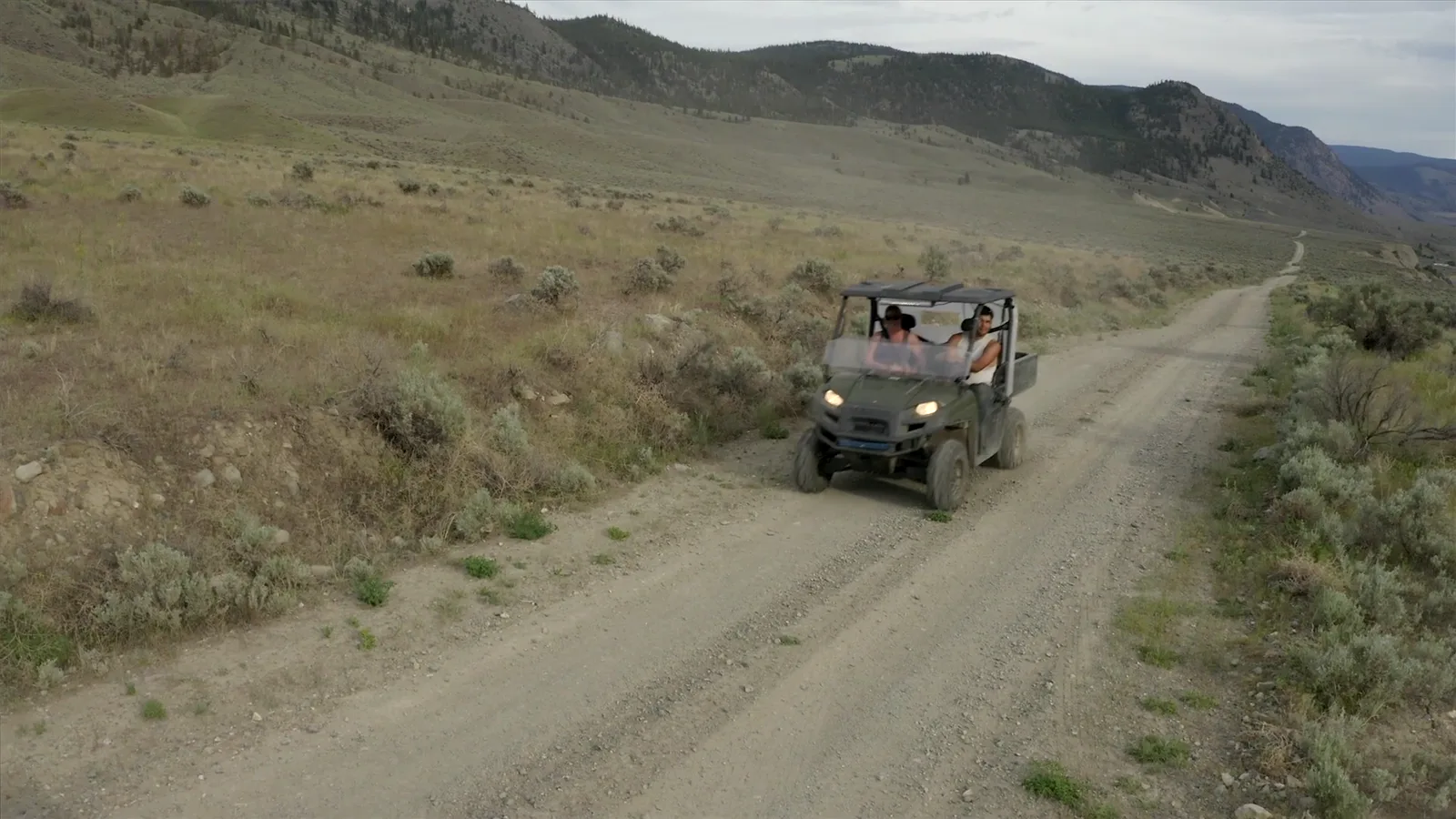
They come from the places we still live and work — the river, the benches, and the roads between them.
From our community film
Stories carried through place, teaching, and record
These public stories draw on our oral traditions, historical records, archived testimony, and community-linked materials from the Thompson River area. Full stories open with membership.
A public story collection
Each entry is a public story, teaching, place-name note, or regional context we've prepared for this site.
Pemymoos Farming
Pemymoos had 70 acres under cultivation — hay, potatoes, wheat, and fruit.
Read featured story →Traditional KnowledgeRivers, Salmon, and Travel
Travel routes along the Thompson and Nicola rivers, from Lytton to Spences Bridge.
Read featured story →Open Range and Stock-Keeping
Cook's Ferry testimony describes how open range and highland reserves were used for stock-keeping.
Read story →The Land and the People
River valleys and highland meadows — how the land was used between Ashcroft and Highland Valley.
Read story →Intergenerational Learning
Huckpestes — the Nlaka'pamux concept of developing wisdom through experience.
Read story →Named Places Near Spences Bridge
Published notes from 1898 record named places within a few miles of Spences Bridge on the Thompson River.
Read story →Seasonal Practices
Seasonal use of highland meadows and home villages — winter, spring, and the annual round.
Read story →Place Names and Memory
Pokaist, Peymanoos, and other place names recorded in historical sources and still in use.
Read story →Coyote People and Spences Bridge
In the published story traditions, the country around Spences Bridge belongs to the Coyote people.
Read story →Hunters, Fishermen, and the River
The Nlaka'pamux were hunters and fishermen. Salmon and venison sustained life along the Thompson and Fraser rivers.
Read story →Chief Timothy Shemahallsee
A 2011 dissertation records that Timothy Shemahallsee was Chief at Pekeyst on the east bank of the Thompson River in the late nineteenth century.
Read story →Betani Valley
Betáni was a great root-digging and hunting resort in the mountains north of Lytton, and a summer gathering place for all the upper divisions of the tribe.
Read story →Railway and Water Changes
Cook's Ferry 1913 testimony describes how water and railway changes affected farming on the reserves.
Read story →The Spider and the Upper World
In Thompson River traditions, the Spider lowered a hero from the upper world through a hole in the earth, landing at a place declared the centre of the Indian's country.
Read story →Pokaist — Little White Stones
The name Pokaist means "little white stones" — a name that has been in use since at least the late nineteenth century.
Read story →Peymanoos — The Large Bare Place
Peymanoos means "large bare place" — one of the two reserve names that remain in use by the Pukaist community today.
Read story →Highland Valley — Reserves 12 to 15
Cook's Ferry testimony describes Highland Valley reserves 12-15 as hay and meadow lands used seasonally.
Read story →The Centre of the Earth (Traditions)
In Thompson River traditions, a stone marks the place where NLi'ksEntEm first touched the earth.
Read story →Coyote and the Salmon
In the traditions, Coyote introduced salmon to the Thompson River.
Read story →The People of Nkamtcí'n
Nkamtci'n (Spences Bridge) was Coyote people territory in the published traditions.
Read story →The Dam and the Mountain Lakes
Cook's Ferry 1913 testimony describes how mountain lakes fed the water supply and how a dam could help.
Read story →The Sacred Stone (Traditions)
In the traditions, a stone marks where NLi'ksEntEm first touched the ground — the centre of the country.
Read story →People of Pukaist Society
The People of Pukaist Society was incorporated September 20, 2022 in Ashcroft, BC.
Read story →Root Digging and the Mountain Meadows
Betani Valley was a root-digging and hunting area in the mountains north of Lytton.
Read story →The Thompson and Fraser Confluence
The Thompson and Fraser rivers meet near Lytton — the geographic centre of Nlaka'pamux territory.
Read story →Read the full stories
Each story above opens with its public summary. Members read the complete stories, teachings, and place-linked history as they pass our review. If you're a community member, sign in or request membership.