Care, responsibility, and listening across generations
Through our Society, we support the redevelopment of our cultural practices, traditions, and language, and we support our community members from youth to Elders. That purpose shapes how we build this website and how we share public information.
We listen to our community knowledge and family memory — to our Elders, youth, families, and knowledge holders. Not every record, story, place, image, or language item belongs on a public website. Some we can share publicly. Some needs more review. Some stays with us.
Governance begins with responsibility to the people
To our families, to our Elders, to our youth, to our language, to our places, and to the work of carrying our knowledge forward carefully. We make decisions together as a community, not apart from it.
We keep roles general here; specific names and council labels will appear only once our community confirms them.
Some knowledge belongs in public. Some belongs first with us.
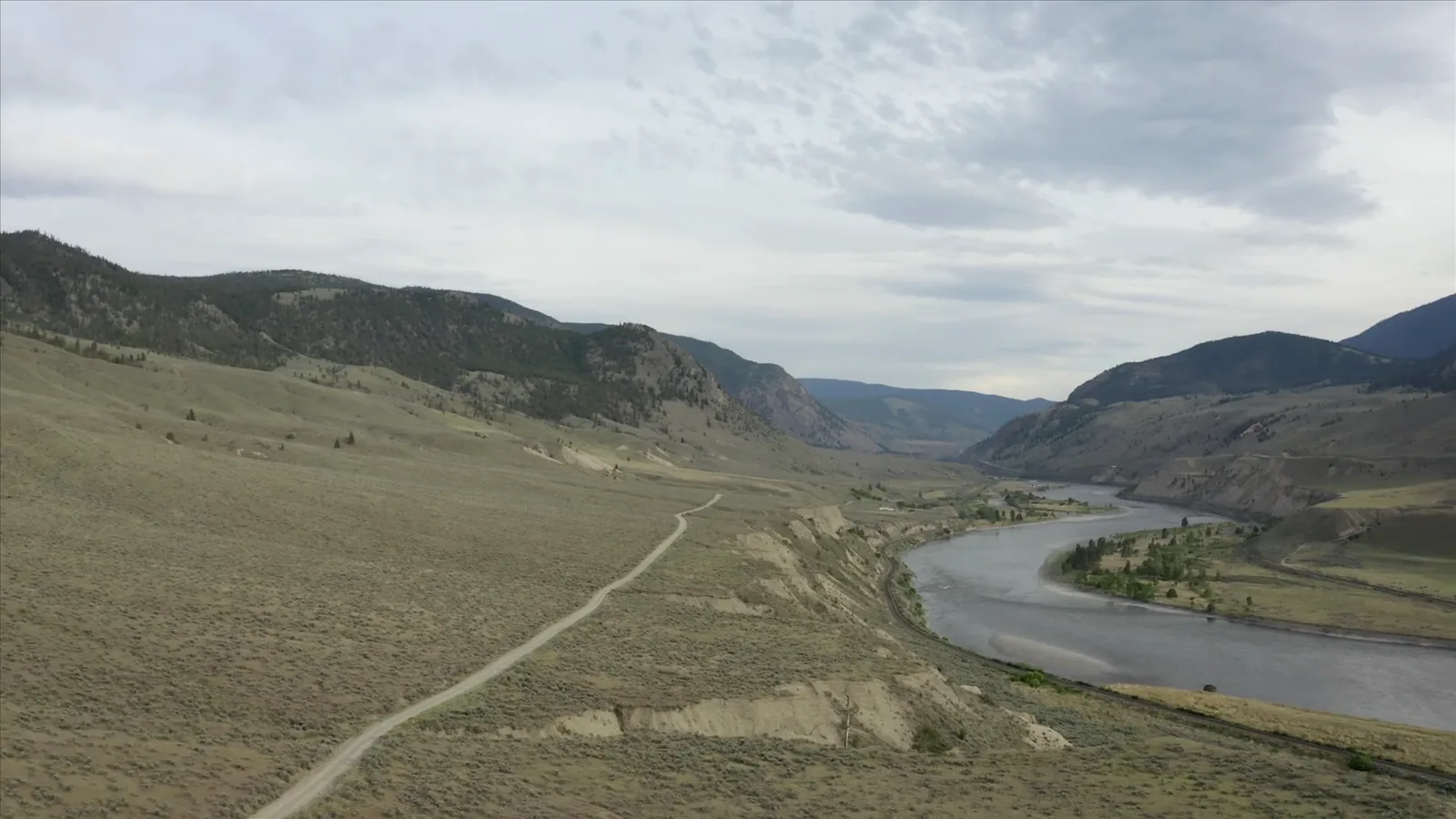
Still from the People of Pukaist video
What can be shared depends on what it is
Public
Ready for everyone to read.
Community
Shared with community members.
Restricted
For specific people or purposes.
Internal
Held by us.
Each kind of material has its own review and removal path.
We are accountable to this territory
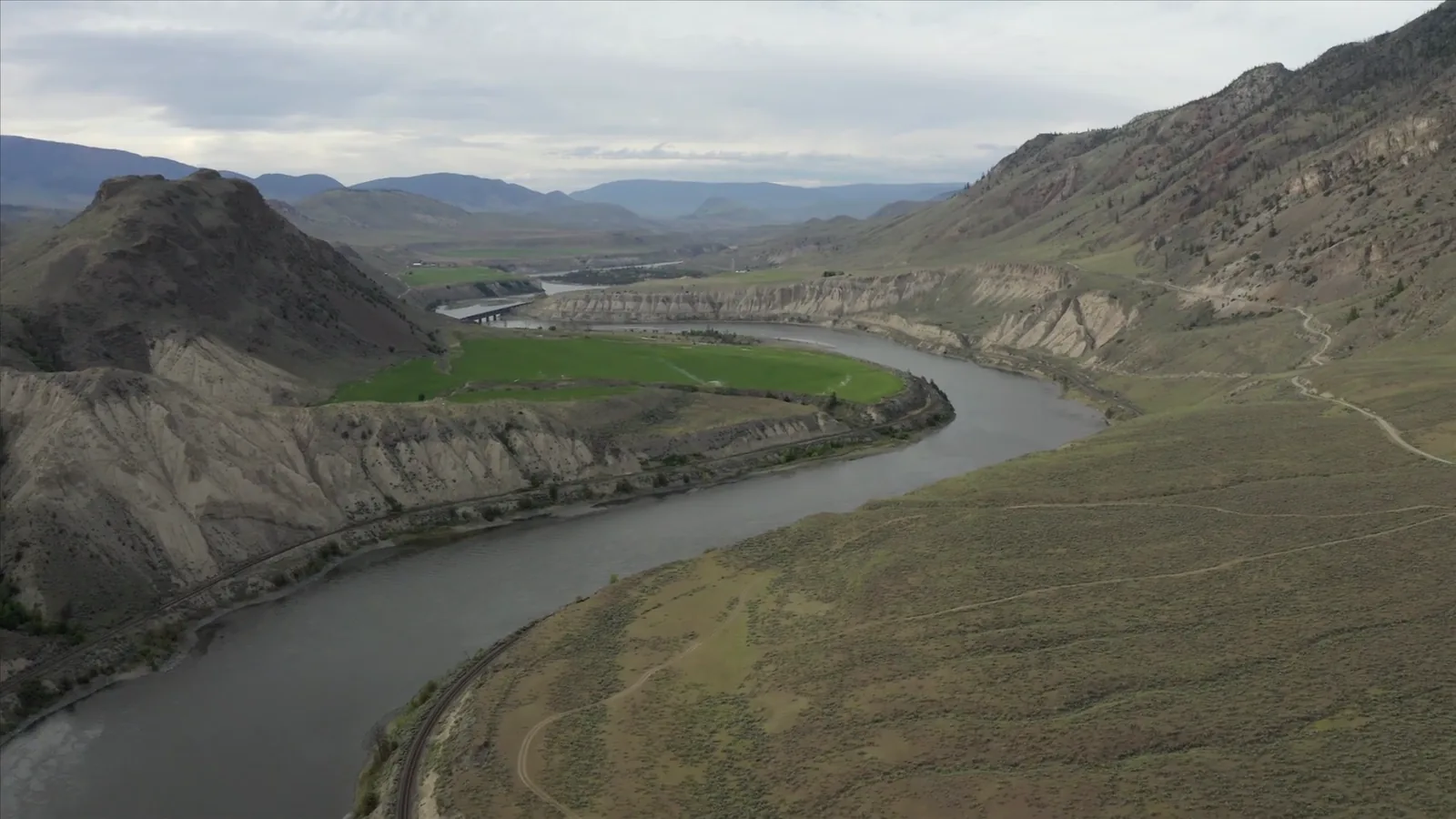
Our decisions are grounded in the river, the land, and the community that lives along it.
From our community film
We share what is ready, and only what is ready
Before material goes public it can pass through review — checking the source, the cultural context, the language, and privacy or legal questions where they apply.
If something needs attention
If you see something that needs a correction, want to raise a concern, or need material reviewed or removed, reach out to us. We take these requests seriously.
Reach out to us →Building carefully, for the generations to come
In time, and after community approval, we will open a member and community space, contribution pathways, and further tools — so our families now and future generations can find their way back to language, place, history, and story.